Context of the event
During De Onderstroom, Lumicrowd was used as a digital extension of the light show. Alongside projections and classic DMX lighting, the audience was able to become part of the visual whole through their smartphones.
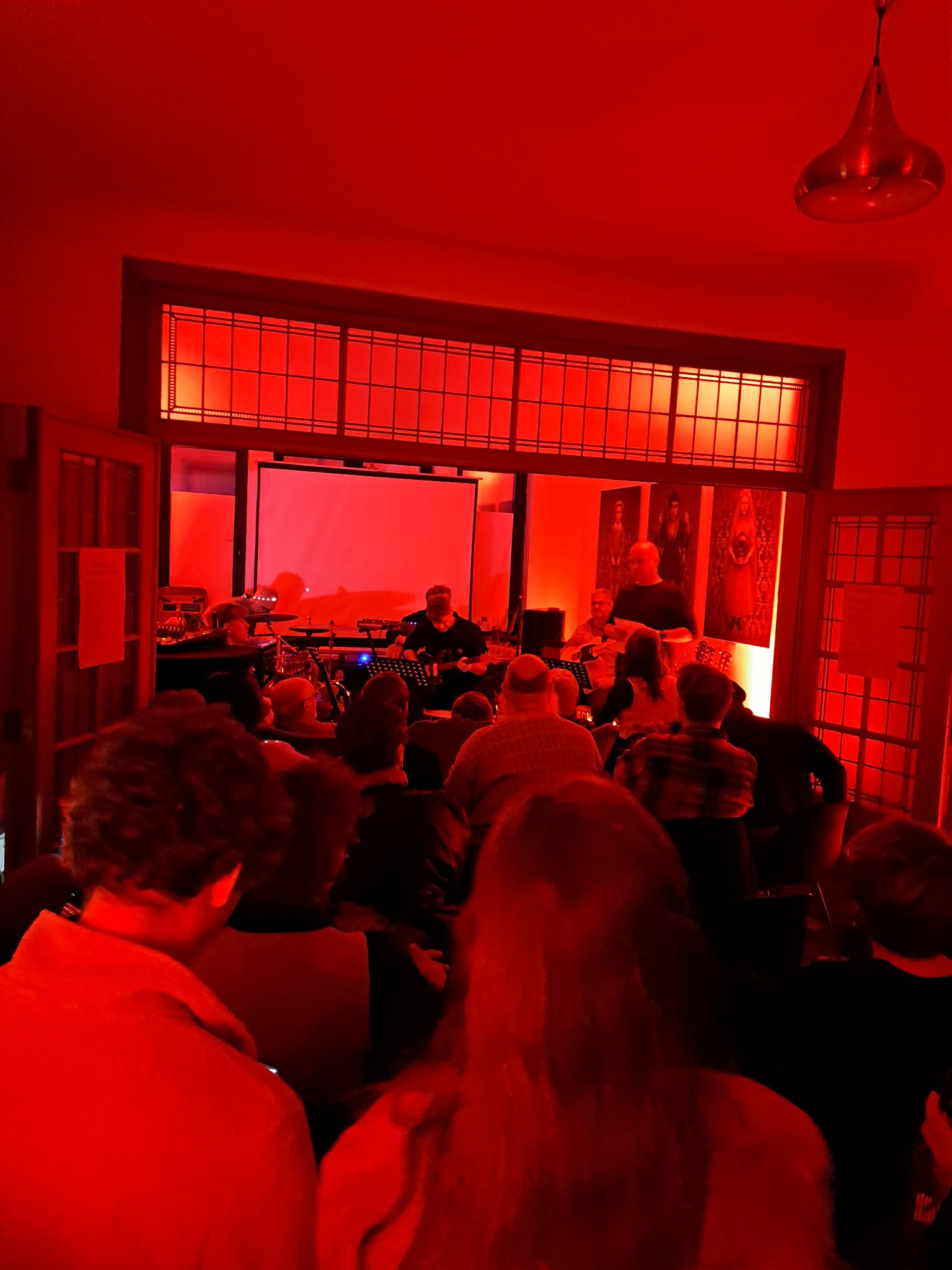
Our first realistic pilot with live music, visuals and DMX lighting. The goal: validate how smartphones can contribute to a deeper, interactive experience in an artistic context.
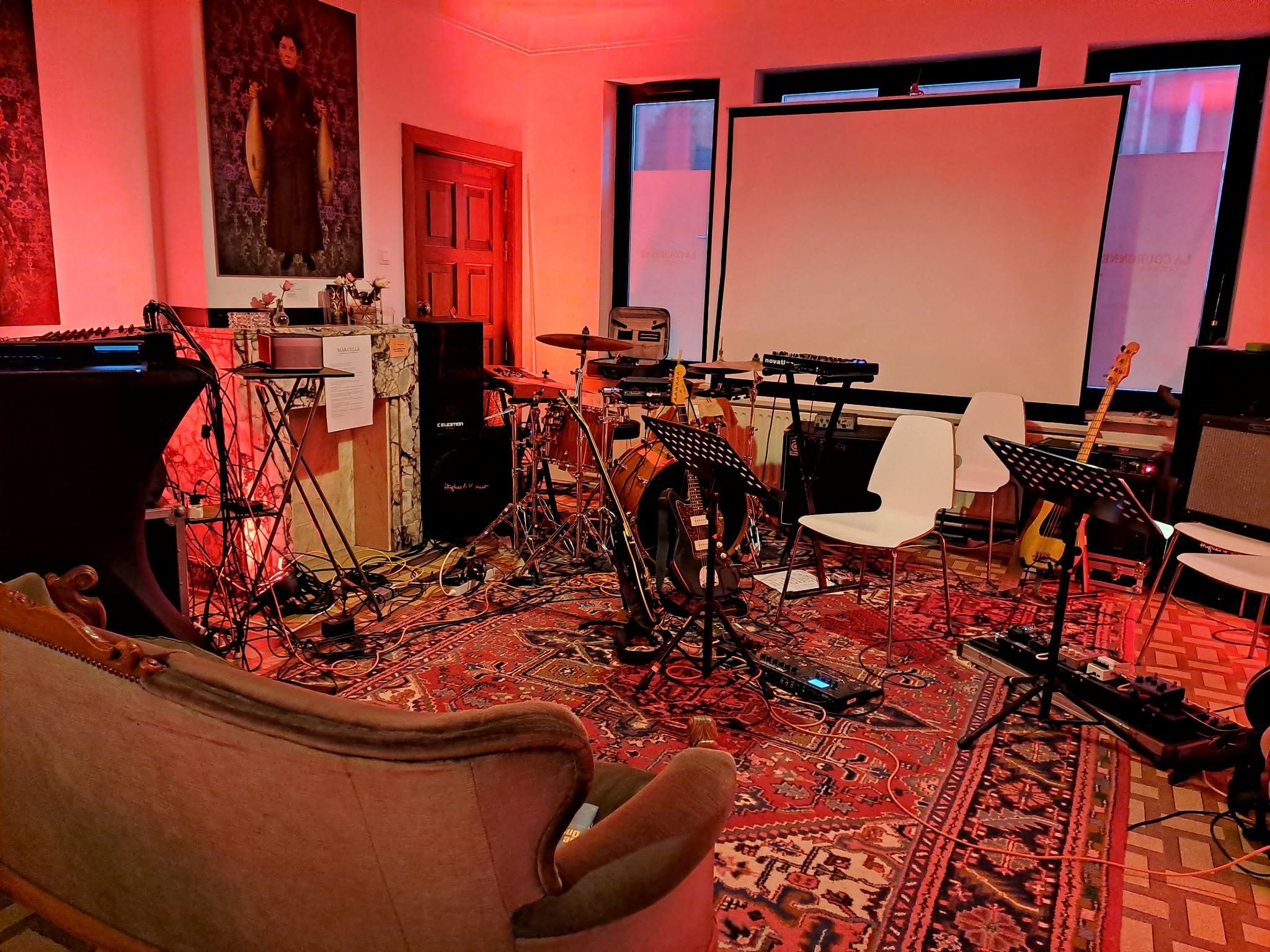
Event type
Live music + visuals
Attendance
±40
Goal
Immersive experience
Pipeline
DMX -> Lumicrowd -> phones
During De Onderstroom, Lumicrowd was used as a digital extension of the light show. Alongside projections and classic DMX lighting, the audience was able to become part of the visual whole through their smartphones.
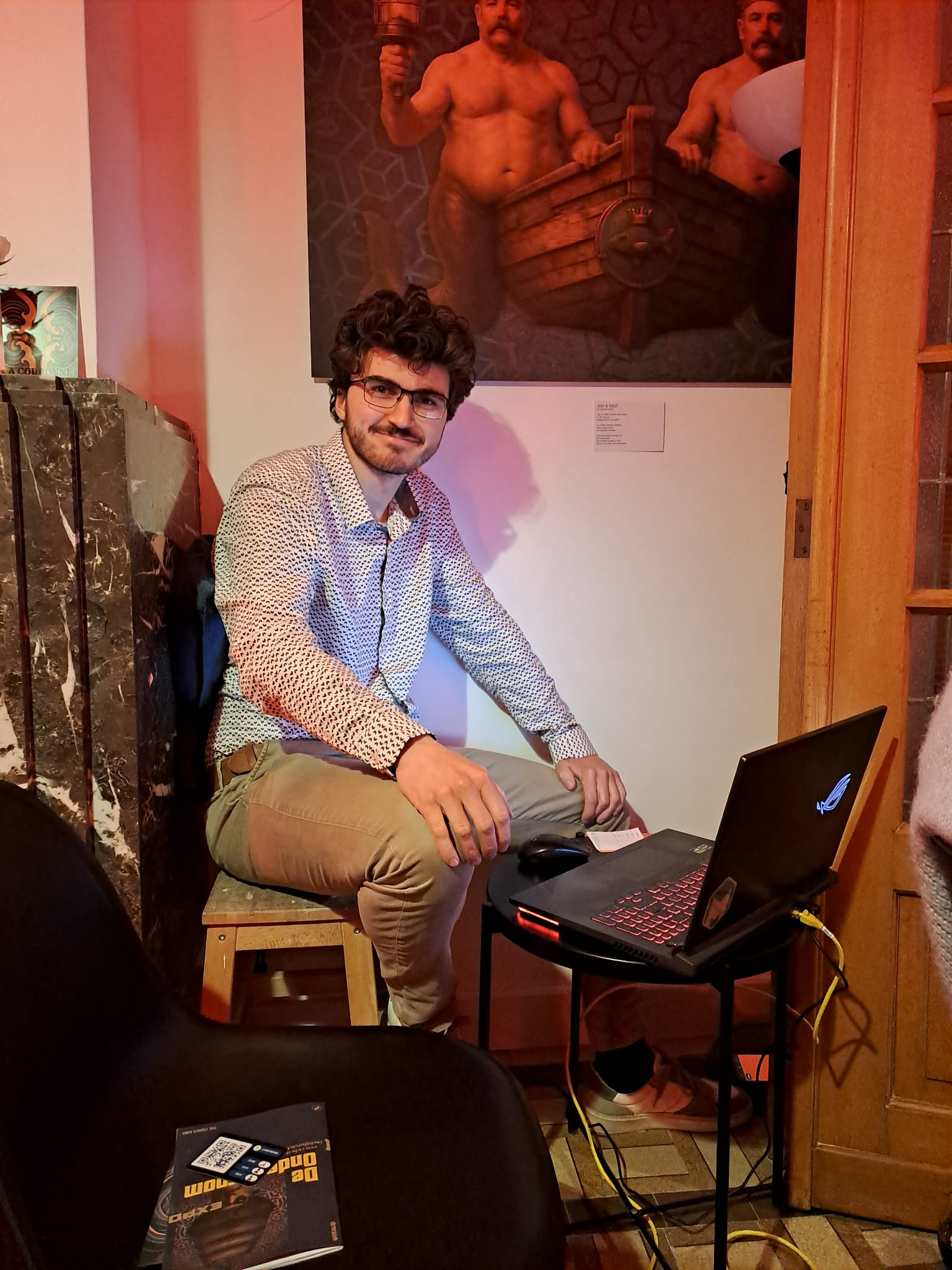
This allowed the colour of the room lighting to be extended, in real time, to the audience.
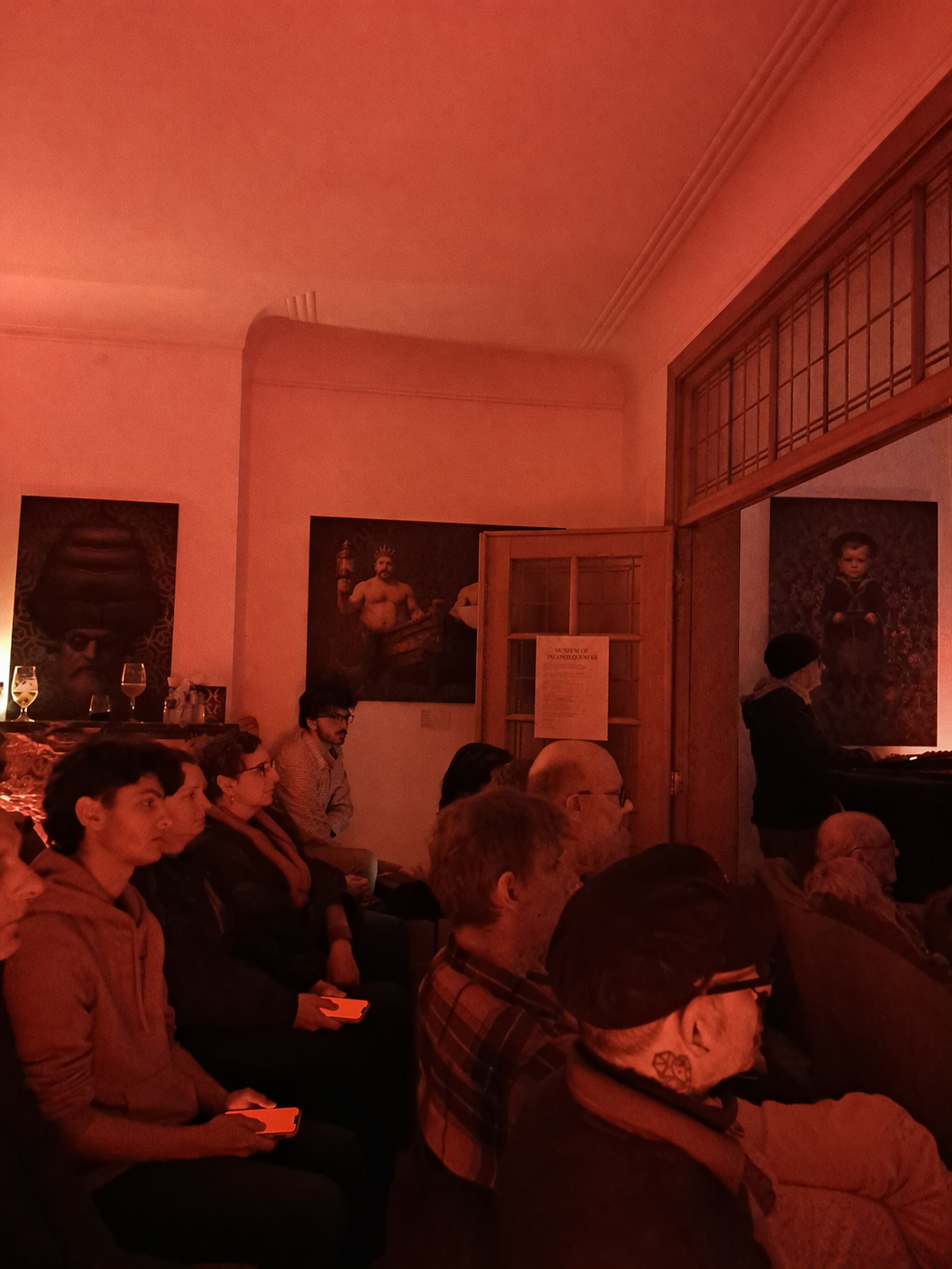
After configuration, the full chain ran stably: DMX -> Lumicrowd -> smartphones.
Devices showed the same colours and effects with no visible drift between them.
Lumicrowd blended visually with the atmosphere in the room and added extra depth to the experience.
A mistake in channel assignment initially caused no colour on the phones. Insight: mapping must be simpler and less error-prone.
Participation stayed limited because the interaction was not introduced strongly enough. Insight: onboarding and active guidance are crucial.
In a strongly artistic setting, phone use can also feel like a distraction. Insight: explicitly evaluate the format fit of Lumicrowd per event type.
Phone-to-phone sync was good, but next to instant physical DMX fixtures a small delay remained visible.
Fullscreen did not behave predictably in every iPhone scenario; platform UX remains a focus point.
This pilot confirms that Lumicrowd is technically ready to add audience interaction to live events through smartphones. The next focus is simplicity of setup, better onboarding and further real-time optimisation.